IoT Full Forms: Important for O Level Exam 2025

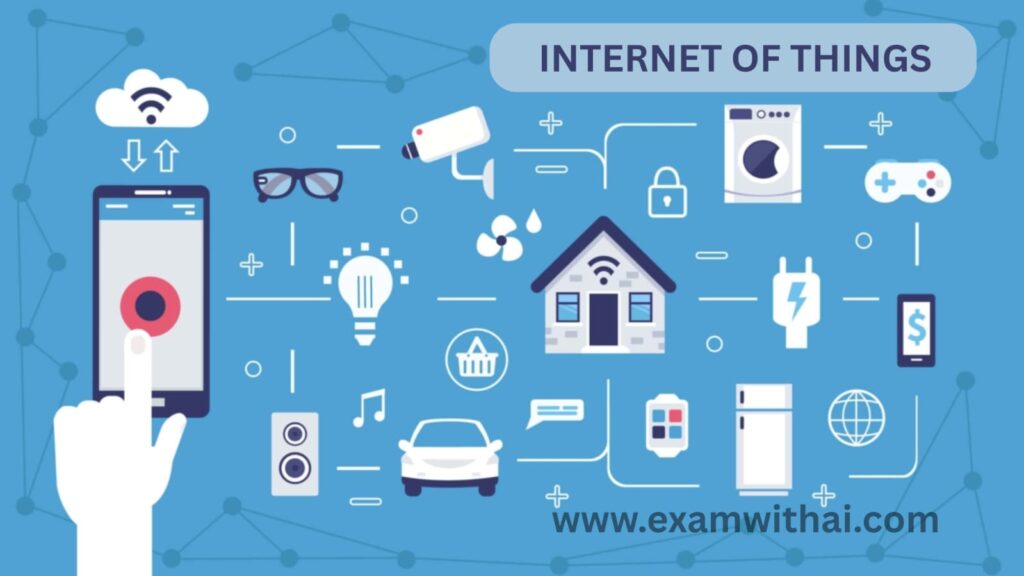
The Internet of Things (IoT) is a platform where regular devices are connected to the Internet so they can interact, collaborate, and exchange data with each other. Smart cars, smart homes, smart cities—everything around us can be turned into a smart device with the help of the Internet of Things.
Here are important IoT full forms:
A
- AMQP: Advanced Message Queuing Protocol
B
- BAN: Body Area Network
- BLE: Bluetooth Low Energy
- BSN: Body Sensor Network
C
- CAN: Campus Area Network OR Corporate Area Network
- CGI: Computer-Generated Imagery
- CoAP: Constrained Application Protocol
D
- DARPA: Defence Advanced Research Projects Agency
- DHCP: Dynamic Host Communication Protocol
- DDS: Data Distribution Service
H
- HART: Highway Addressable Remote Transducer
- HDLC: High-Level Data Link Control
- H2H: Human to Human
- HTTP: Hyper Text Transfer Protocol
I
- I2C: Inter-integrated Circuit
- IETF: Internet Engineering Task Force
- IIOT: Industrial Internet of Things
- IOE: Internet of Everything
- IOT: Internet of Things
- IoT-A: Internet of Things Architecture
- IP: Internet Protocol
- IaaS: Infrastructure as a Service
- IANA: Internet Assigned Numbers Authority
- ICT: Information and Communication Technology
- IP: Internet Protocol
- ISO: International Standard Organization
- ITS: Intelligent Transportation Services
- IDE: Integrated Development Environment
L
- LLC: Logical Link Control
- LLN: Low Power Lossy Network
- LORA: Long Range Radio
- LoRaWAN: Long Range Wide Area Network
- LPWAN: Low-Power Wide Area Network
- LTE: Long Term Evolution
- 6LoWPAN: IPv6 Low-power Wireless Personal Area Network
- LR-WPAN: Low-rate Wireless Personal Area Networks
M
- M2M: Machine to Machine
- M2H: Machine to Human
- MAC: Media Access Control
- MQTT: Message Queuing Telemetry Transport
- MEMS: Micro Electro-Mechanical Systems
- MISO: Master Input Slave Output
- MCU: Microcontroller Unit
N
- NB-IOT: Narrow Band Internet of Things
- NFC: Near Field Communication
- NIC: Network Interface Card
- NAN: Neighborhood Area Network
O
- OSI: Open System Interconnection
P
- PAN: Personal Area Network
- PASS: Platform as a Service
R
- REST: Representational State Transfer
- RFC: Request for Comment
- RFID: Radio-Frequency Identification
- RS232: Recommended Standard 232
S
- SDLC: Synchronous Data Link Control
- SMQTT: Secure Message Queue Telemetry Transport
- SPI: Serial Peripheral Interface Bus
- SAAS: Software as a Service
- SOA: Service-Oriented Architecture
T
- TCP: Transmission Control Protocol
U
- UART: Universal Asynchronous Receiver Transmitter and Receiver
- UDP: User Datagram Protocol
- USART: Universal Synchronous/Asynchronous Receiver/Transmitter
- USB: Universal Serial Bus
V
- VNC: Virtual Network Computing
W
- WIFI: Wireless Fidelity
- WLAN: Wireless Local Area Network
- WMN: Wireless Mesh Network
- WPS: WiFi Protected Setup
- WAN: Wide Area Network
- WBAN: Wireless Body Area Network
- WiMax: Worldwide Interoperability for Microwave Access
- WMANs: Wireless Metropolitan Area Networks
- WOT: Web of Things
X
- XMPP: Extensible Messaging and Presence Protocol
Importance of IoT in Daily Life
- Enables automated appliances, lights, and security in smart homes. Importance of IoT in Daily Life
- Enhances healthcare with remote patient monitoring and fitness trackers
- Aids in intelligent mobility through traffic regulation and GPS tracking
- Provides intelligent irrigation and soil monitoring to support agriculture.
- Enhances everyday convenience and saves time and energy.
Advantages of IoT
- Minimizes manual labor and offers automation
- Increases productivity and saves time
- Allows for the capture and monitoring of data in real time.
- Enables remote device control from any location.
- Enhances decision-making with precise facts
- Aids in more effective resource and energy management
Challenges / Limitations of IoT
- Security risks due to data hacking and cyberattacks
- Privacy issues from continuous data collection
- High initial cost of IoT devices and setup
- Dependence on stable internet connectivity
- Compatibility issues between different devices and platforms
Applications of IoT
- Smart Cities: trash management, smart street lights, and traffic control
- Education: Attendance systems and smart classrooms
- Business: Supply chain monitoring and inventory control
- Industry: Predictive maintenance and intelligent equipment
- Healthcare: wearable medical technology, remote patient monitoring.
- Agriculture: Crop and soil monitoring, intelligent irrigation