
The O-Level practical examination conducted by NIELIT (National Institute of Electronics and Information Technology) is a crucial component designed to assess a student’s ability to apply theoretical knowledge in real-world computing environments. It covers all core modules of the O-Level syllabus, including Internet Technology and Web Design, Programming and Problem Solving through Python, Application of ICT in Society, and IT Tools and Network Basics.
O Level Practical—M1—Internet Tools & Network Basics (LibreOffice Writer, Calc, and Impress) Practical
The Module 1 practical exam typically includes assignments like creating and formatting documents in LibreOffice Writer, performing calculations, using formulas and charts in LibreOffice Calc, and designing presentations in LibreOffice Impress.
O Level Practical—M2—Web Design & Publishing (HTML, CSS, JS) Practical
The Module 2 practical exam typically includes creating basic web pages using HTML to structure content, applying CSS to enhance the appearance and layout, and incorporating simple JavaScript to add interactivity, such as form validation or dynamic messages.
-
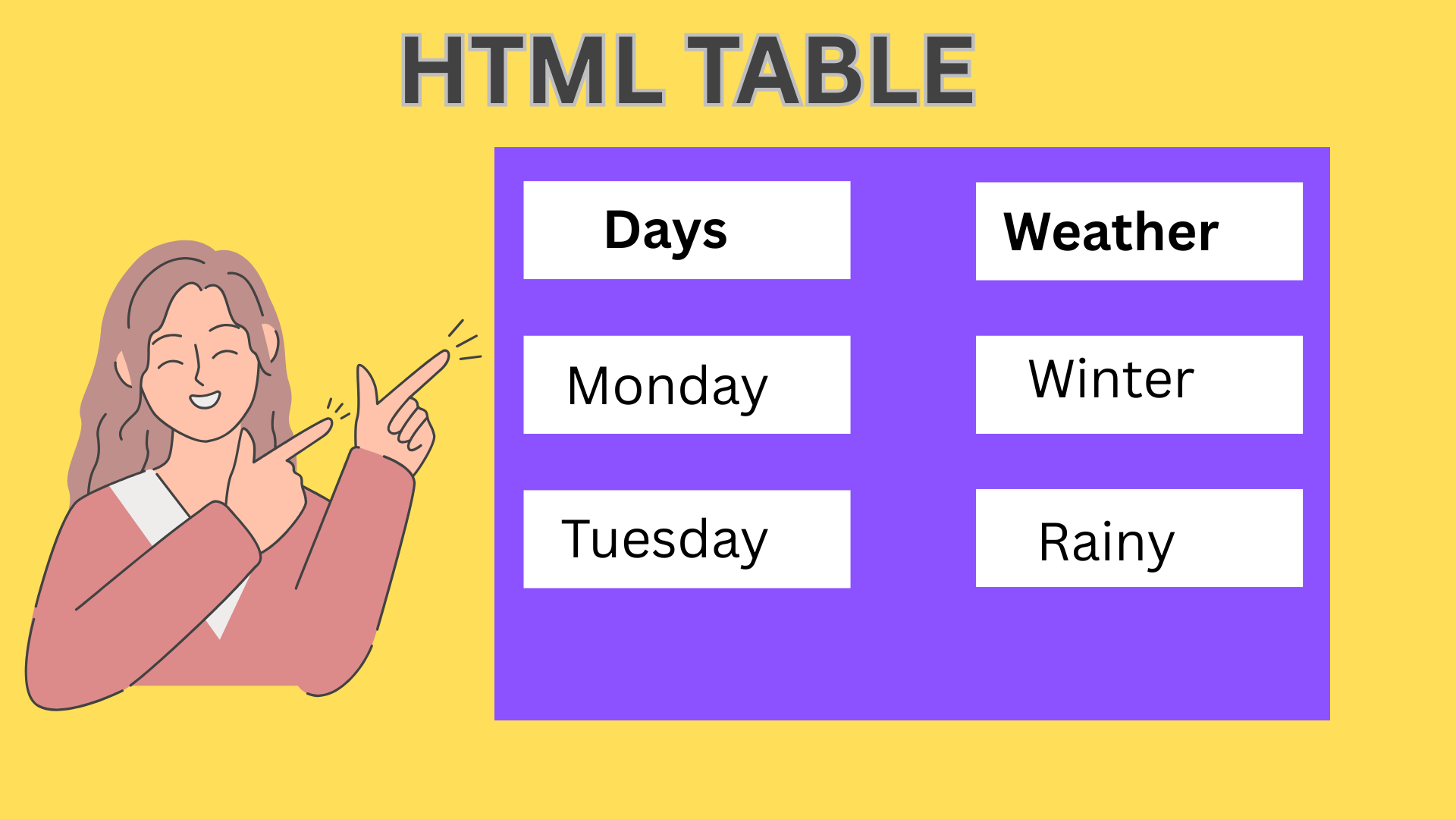
Table in HTML : Code You Need to Know
HOW TO MAKE A TABLE IN HTML? Table in HTML is considered within an element <table>. It is used to display data in a structured grid format, organized into rows…
-
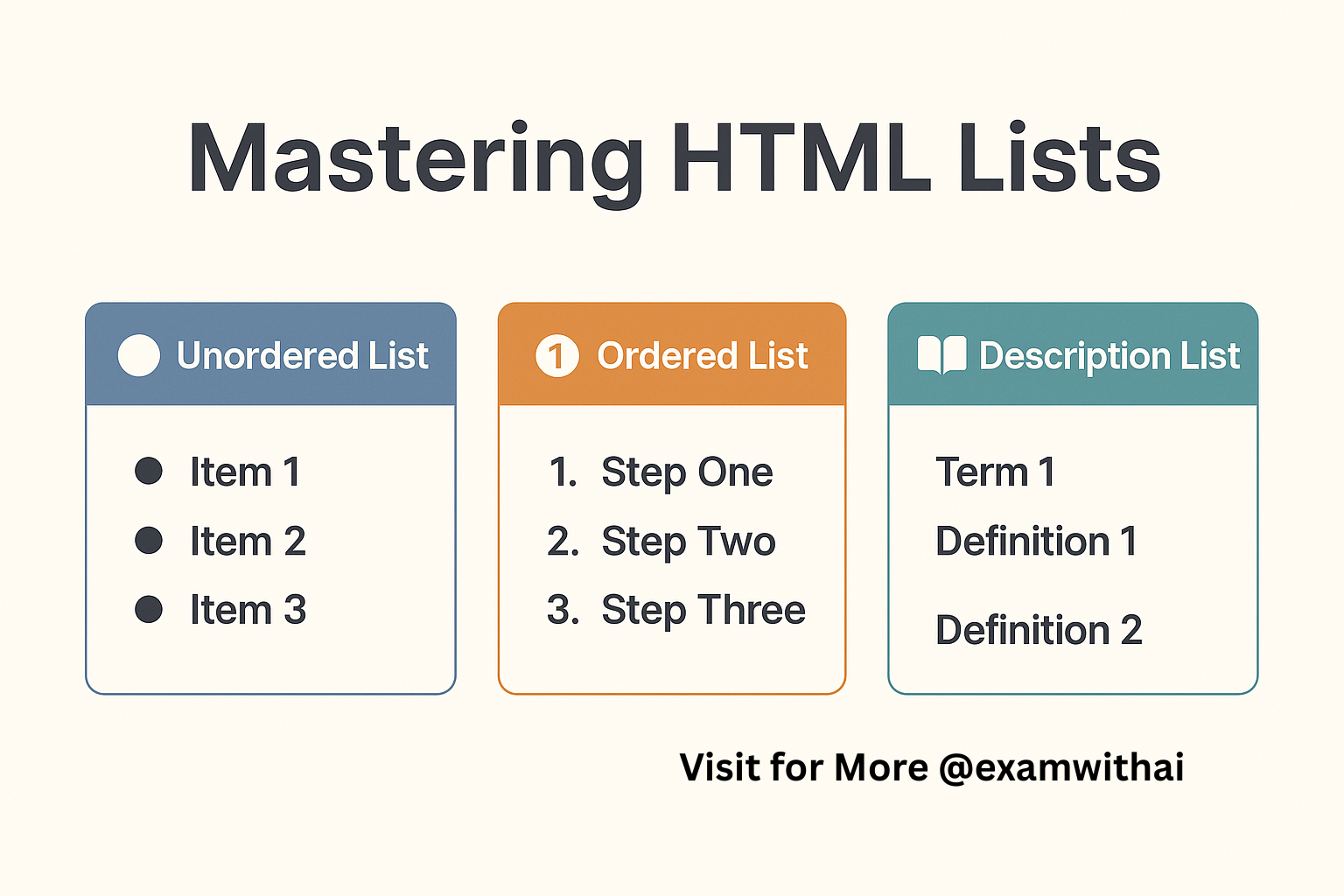
HTML Lists – A Complete Guide for Beginners
HOW TO MAKE HTML LISTS? HTML lists are a record of information, such as names of students, usually written on each line and ordered in a way that makes a…
VIEW MORE PRACTICALS
O Level Practical—M3—Problem Solving With Python Practical
The Module 3 practical exam typically often includes writing code for simple algorithms, using control structures like loops and conditionals, handling data with variables and lists, performing input/output operations, and implementing functions. These exercises aim to test the candidate’s understanding of fundamental programming concepts and their skill in applying Python to develop clear, efficient, and error-free programs.
-
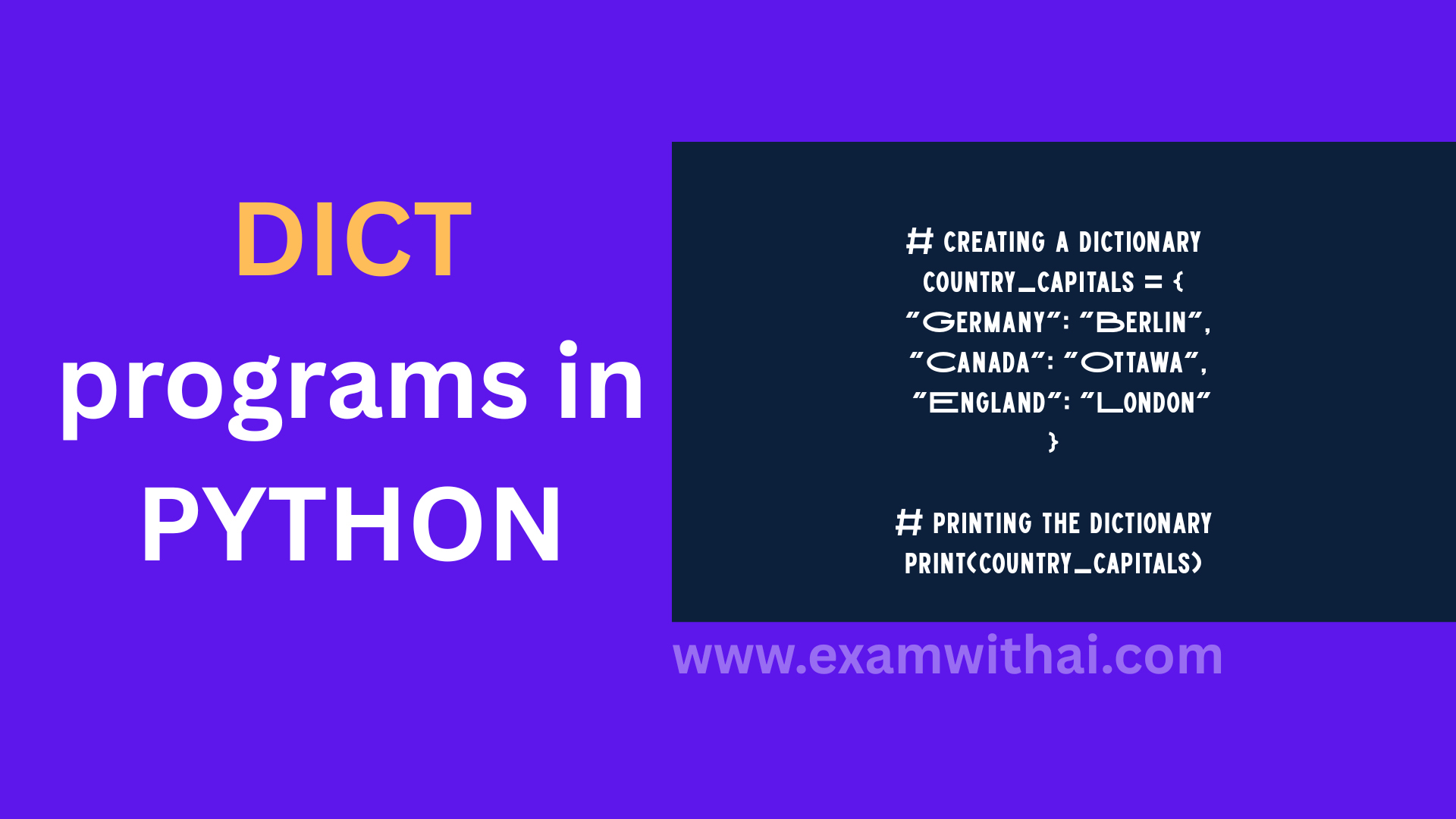
Dictionary Programs in Python: Important for O Level
Dictionary Programs in Python: A dictionary in Python is a collection of key-value pairs. It is one of Python’s core built-in data types and is mutable and indexed by keys.…
-
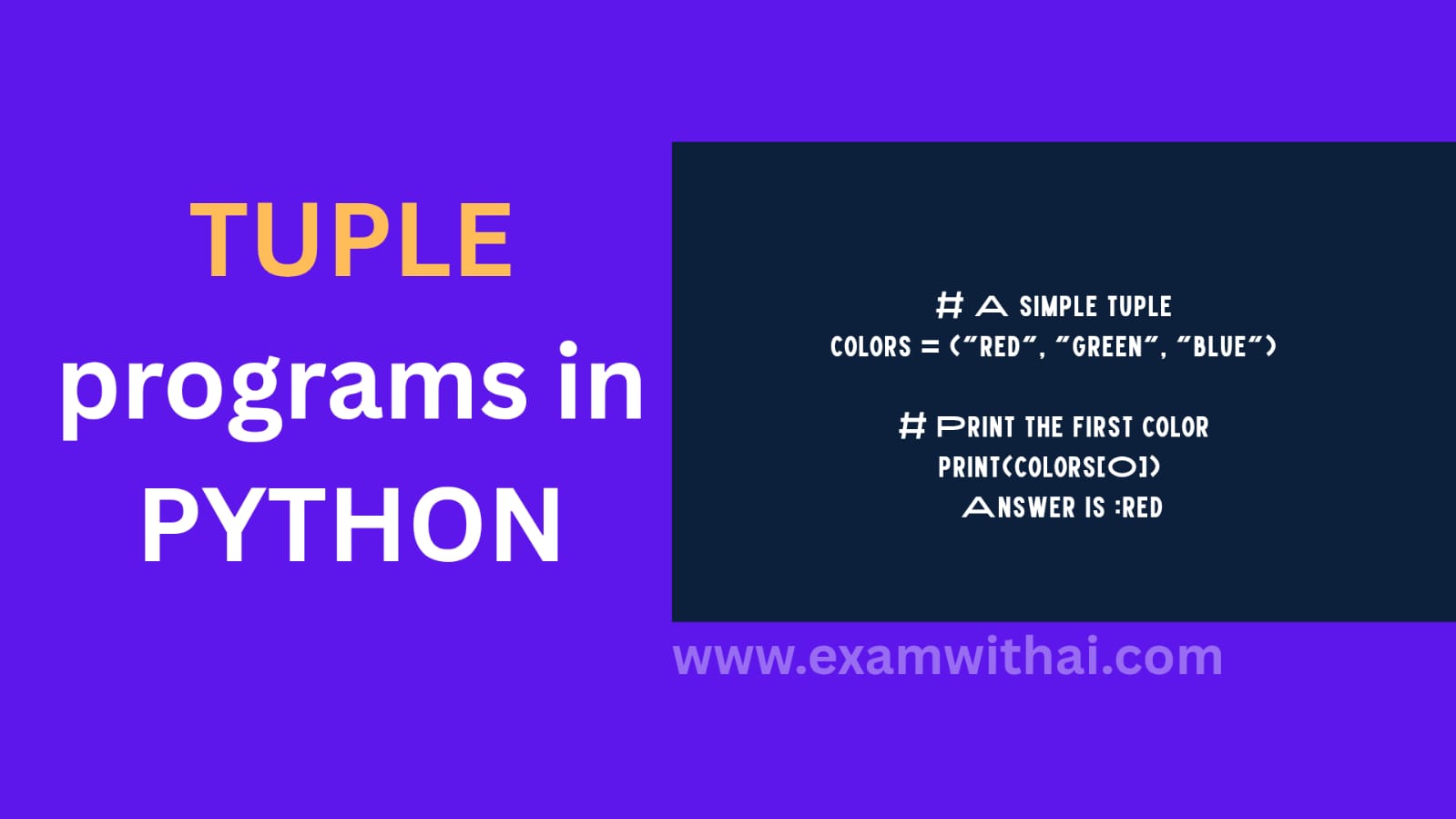
Tuples Programs in Python: Important For O Level Exam
Tuples Programs in Python: A tuple is an ordered collection of elements, typically of heterogeneous data types, that is immutable, meaning its contents cannot be altered after creation. Tuples are…
-
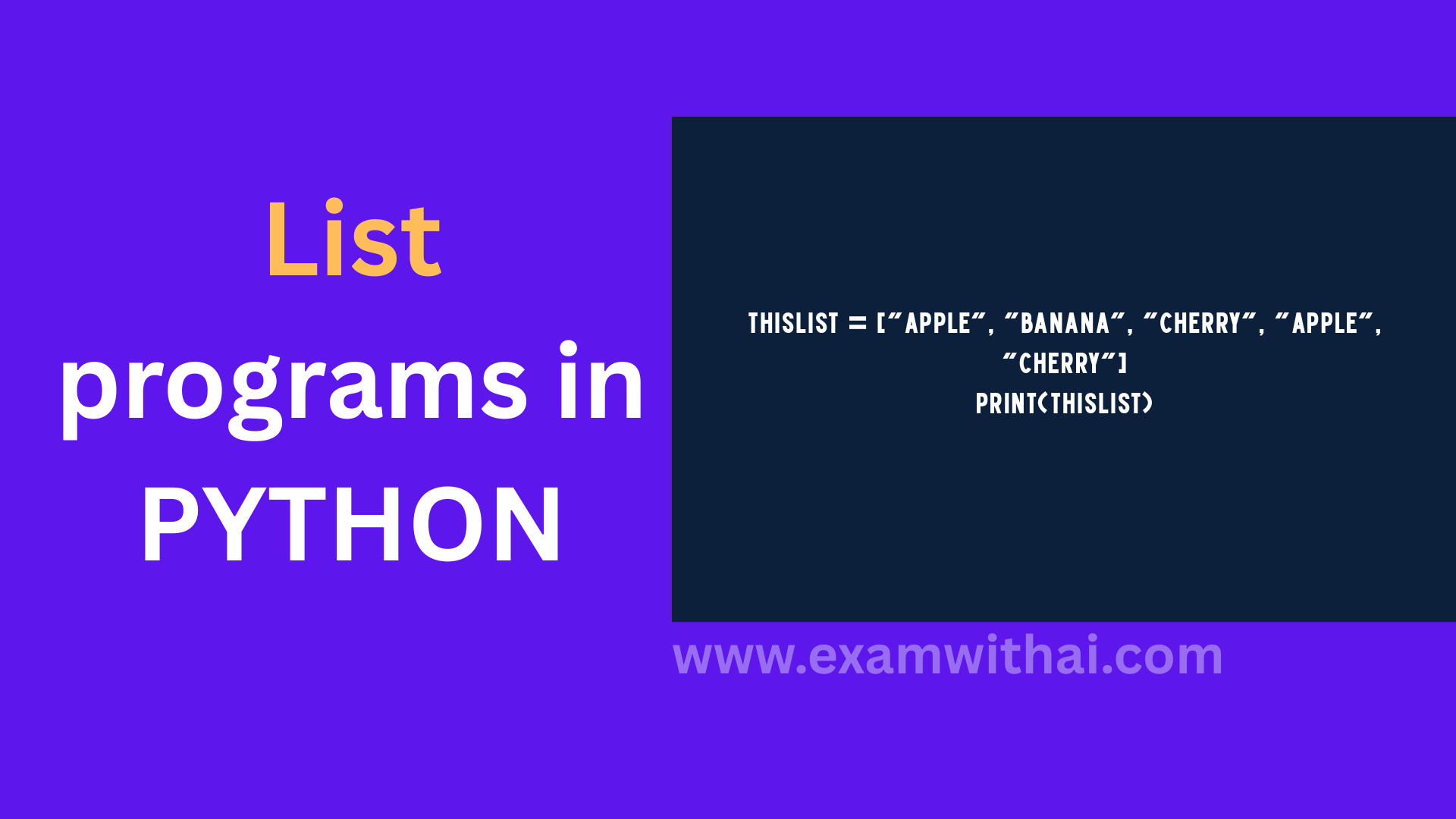
Programs on list in Python: Important for O Level Exam
List Programs in Python: A list is a collection of different kinds of values or items. Since Python lists are mutable, we can change their elements after forming them. The…
VIEW MORE PRACTICALS
O Level Practical—M4—Internet of Things (IOT) Practical
The Module 3 practical exam typically includes setting up and configuring IoT sensors, collecting and analyzing data from connected devices, and using programming tools or cloud services to monitor and control IoT systems.
-
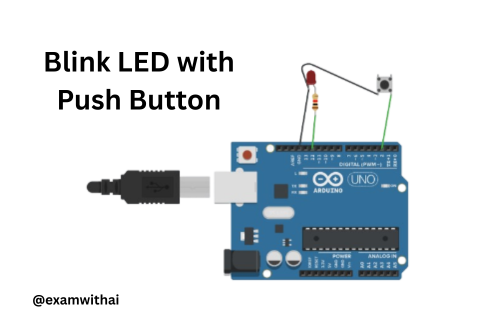
Glow LED with Push Button in IoT: Complete Code
Write a program to interface a push button and an LED so that the LED glows when the button is pressed. Glow LED with Push Button in IoT: This program…
-
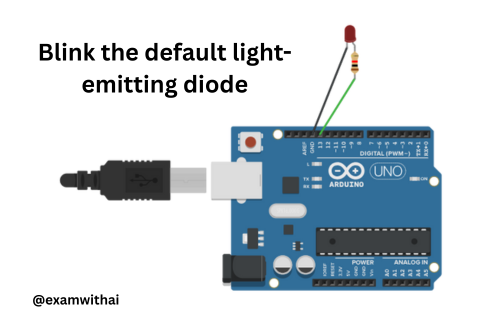
Blink default LEDs in IoT: Important Code for Exam
Write a program to blink the default light-emitting diode (LED) on the Arduino board with a delay of 2 seconds. Blink default LEDs in IoT: Program to blink the default…
-
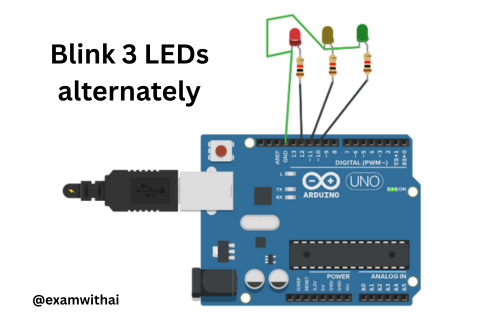
Blink 3 LEDs Alternatively in IoT: A Complete Code
Write a program to interface LEDs on pin nos. 10, 11, 12, and 13 and blink them alternately at a delay of 1 second. Blink 3 LEDs Alternatively in IoT…
VIEW MORE PRACTICALS
Want to Practice the O Level Theory MCQ Exam? 🤔 No Worries, Just Click here